Project Overview
Client: CIBC
Duration : 12 Weeks
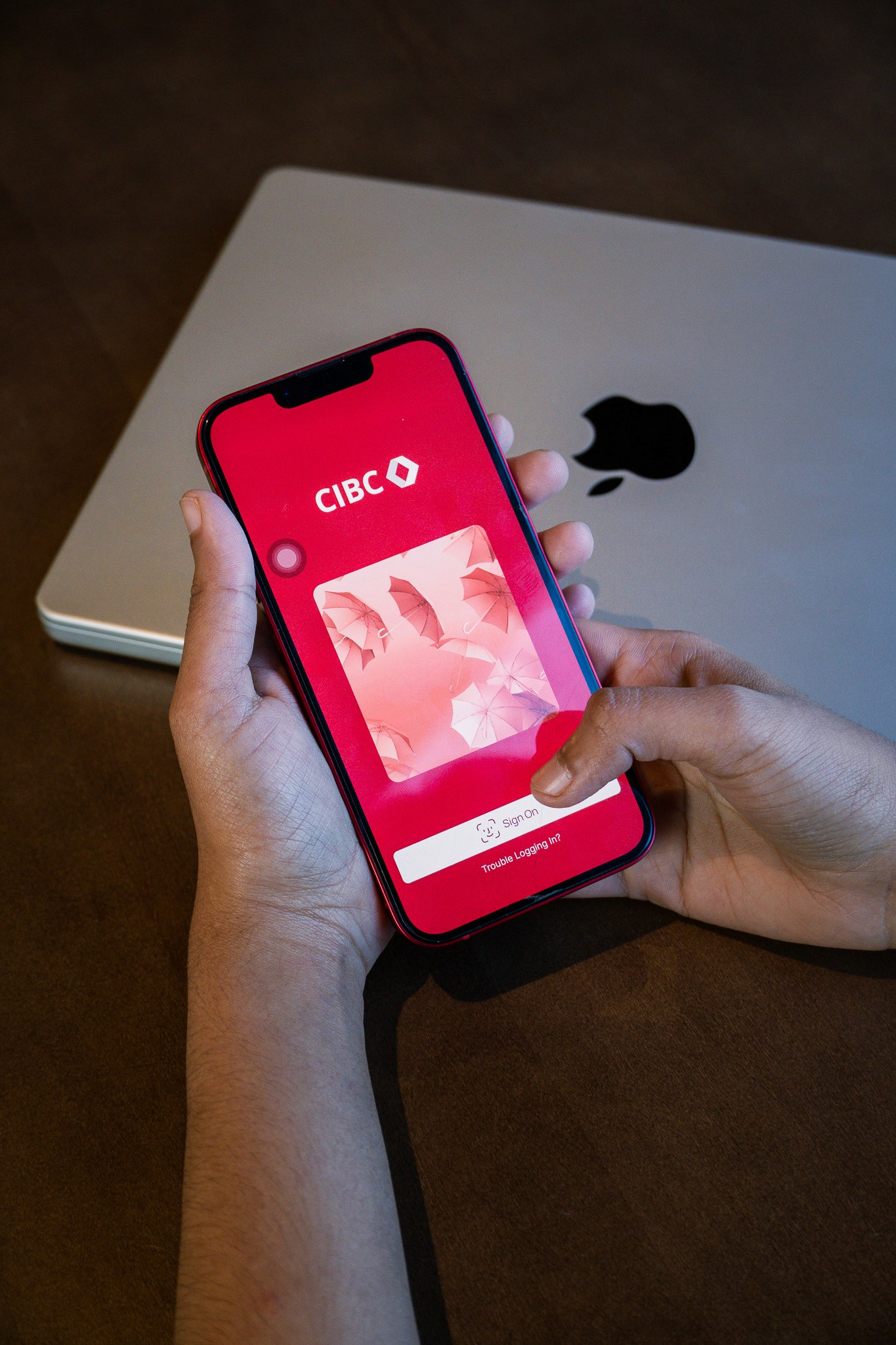
CIBC is a major Canadian bank offering a comprehensive range of financial services, including personal and business banking, wealth management, and investment services. It serves clients through both online platforms and physical branches.
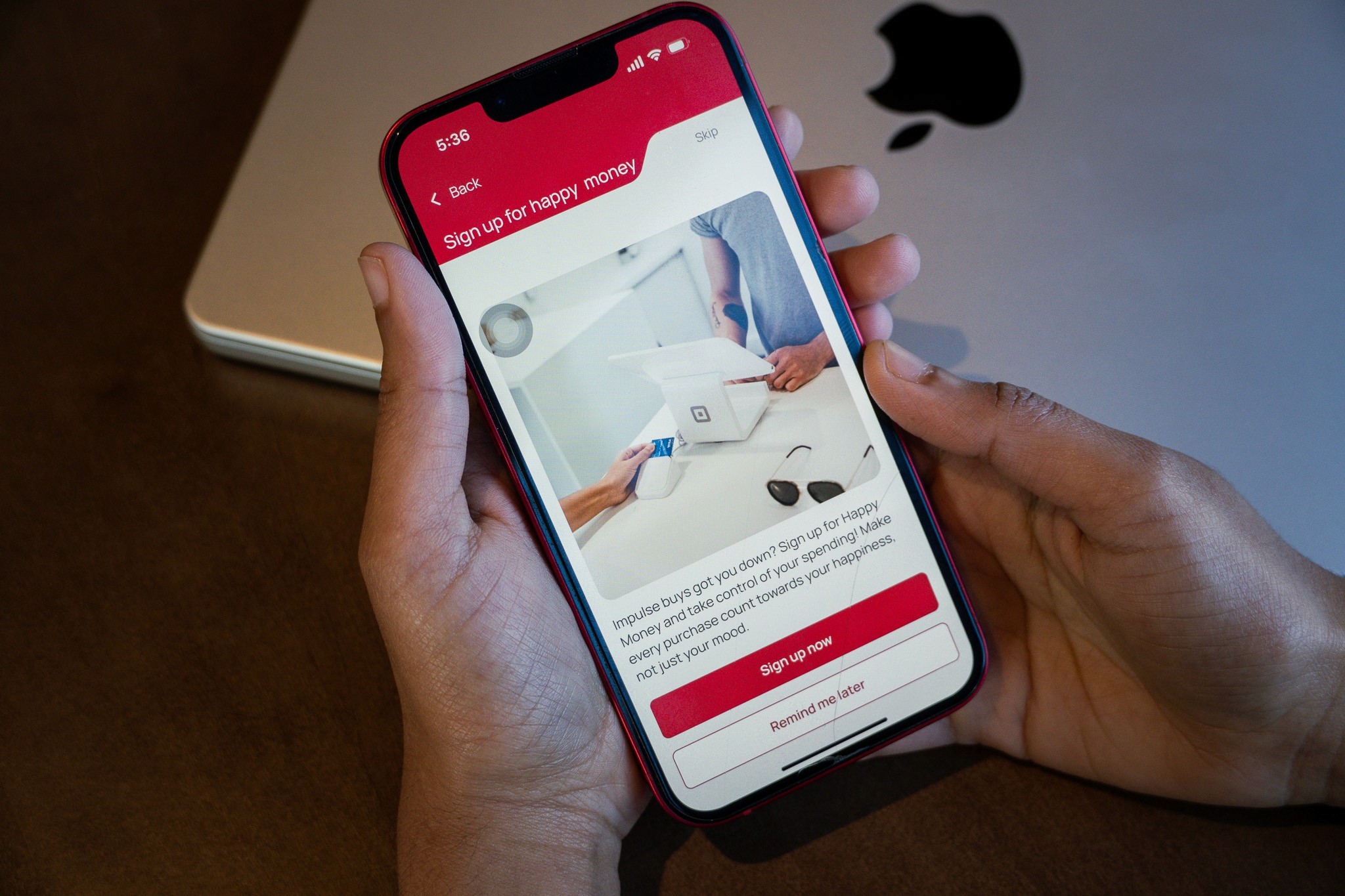
We propose a new feature called "Happy Money" for the existing CIBC app. This feature would help users manage their mood spending—how their emotions influence their spending habits—by providing tools and insights to encourage more mindful and informed financial decisions.
Project Overview
Client: CIBC
Duration : 12 Weeks
CIBC is a major Canadian bank offering a comprehensive range of financial services, including personal and business banking, wealth management, and investment services. It serves clients through both online platforms and physical branches.
We propose a new feature called "Happy Money" for the existing CIBC app. This feature would help users manage their mood spending—how their emotions influence their spending habits—by providing tools and insights to encourage more mindful and informed financial decisions.
What i did
This project was a team effort with another UX designer. I handled the UX research, came up with ideas, created wireframes and prototypes, and tested everything to make sure it worked well for users.
The Emotional Spending Saga, where feelings take control and your wallet just tags along for the ride.
Ever catch yourself buying stuff just because you're feeling a certain way? That’s mood spending—when your emotions take control of your shopping choices. Whether you're feeling stressed, happy, or bored, these feelings can lead you to make impulsive purchases that your wallet might not be happy about.
Is this something we should be worried about?
Well it is… According to research, about 70% US citizens in their mid-30s are more likely to be affected by mood spending. Mood Spending is about how people's emotions influence their spending habits. It can lead to impulse purchases, overspending, and financial stress. Thus we decided to find a solution to solve this issue.
We found some pain points
However, as we began our research, we wondered if a budgeting app could address these issues effectively.
A budgeting app excels at tracking spending by monitoring and recording habits, giving users clear insight into where their money goes. It also aids in setting and achieving financial goals, like saving for a vacation or paying off debt.
However, a mood spending feature takes it a step further. Unlike traditional budgeting apps that focus on spending after it happens, this feature helps prevent impulsive purchases by offering guidance and intervention before the transaction even occurs.
The design journey
01
Research
Gather information about the problem
02
Define & Ideate
Generate a range of possible solutions for the problem.
03
Prototype
Creating the visual representation of the final design
04
Visualize
Gather information about the problem
Research Phase
We kicked off our research by asking potential users, 'How do you shop?' Turns out, there’s more to it than just clicking ‘Add to Cart.’ We discovered that our moods have a big impact on our shopping behavior. When we're on top of the world or feeling really low, we're more likely to spend money.
To fully understand this, we used two different approaches: analyzing data and talking to people. Our findings were pretty surprising!
😥
More than 80%
are influenced by their mood when spending, especially during periods of stress or feeling down.
😖
More than 50%
manually track their spending, which many find time-consuming and inefficient.
😐
Almost 52%
have regretted purchases made in an emotional state.
Define and ideate
Brainstorming
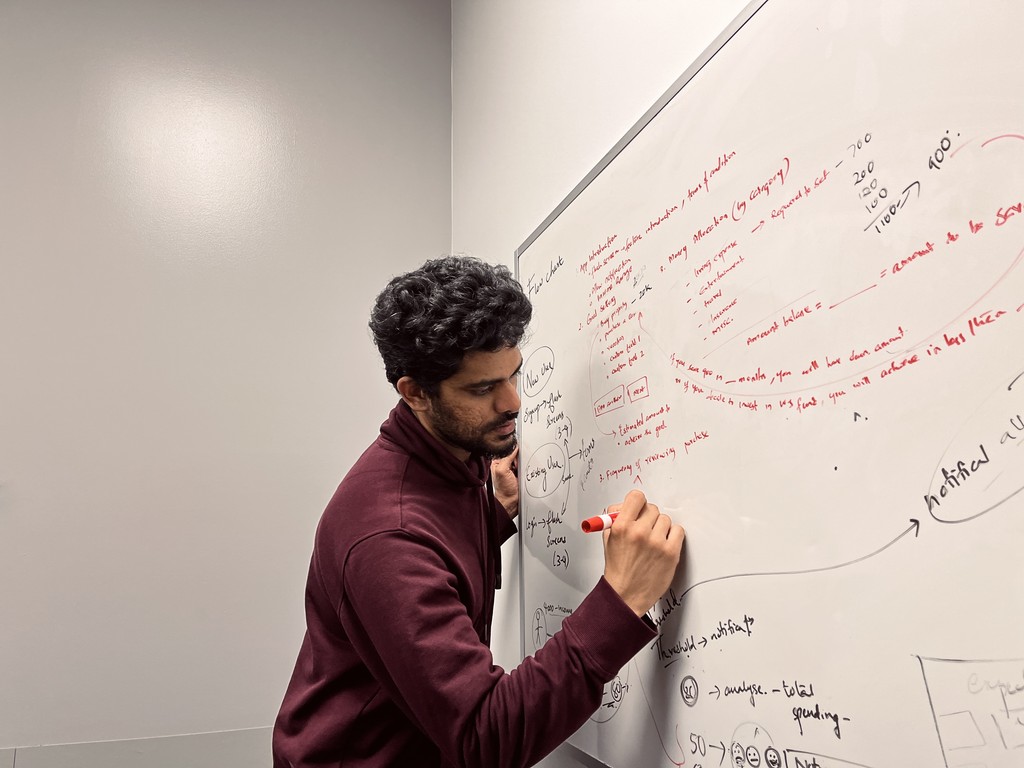
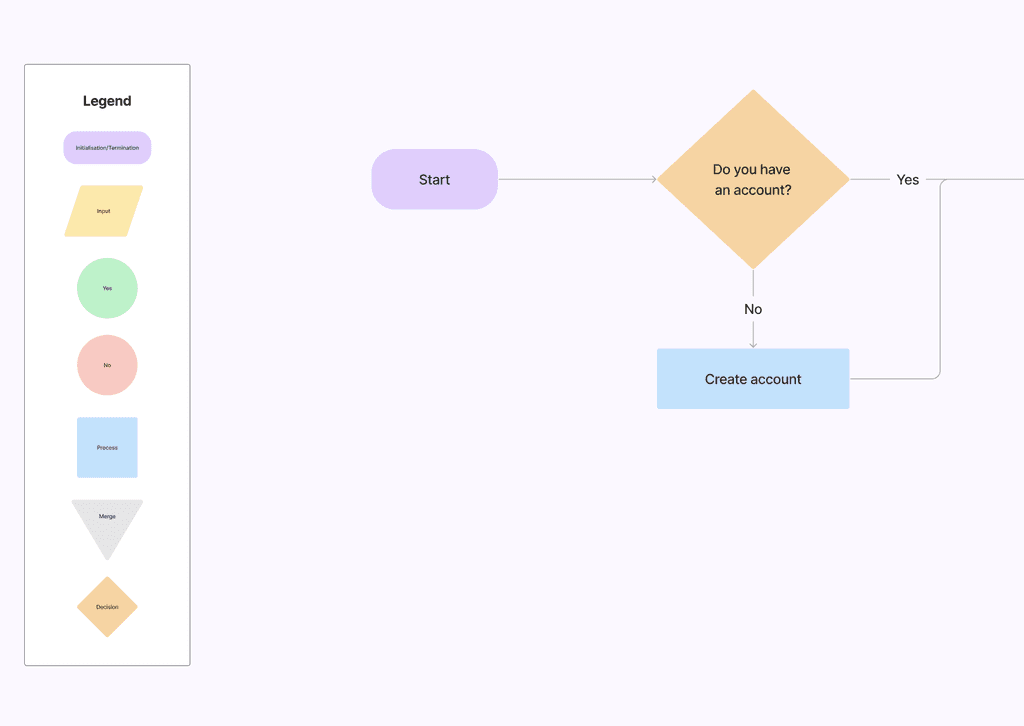
We started by listing all the key features needed for the mood spending feature in the CIBC app. We sketched out possible user flows on a whiteboard, imagining how users would navigate the app.
User Flow in FigJam
Next, we took our brainstorming ideas and created a user flow in FigJam, mapping out the steps users would take.
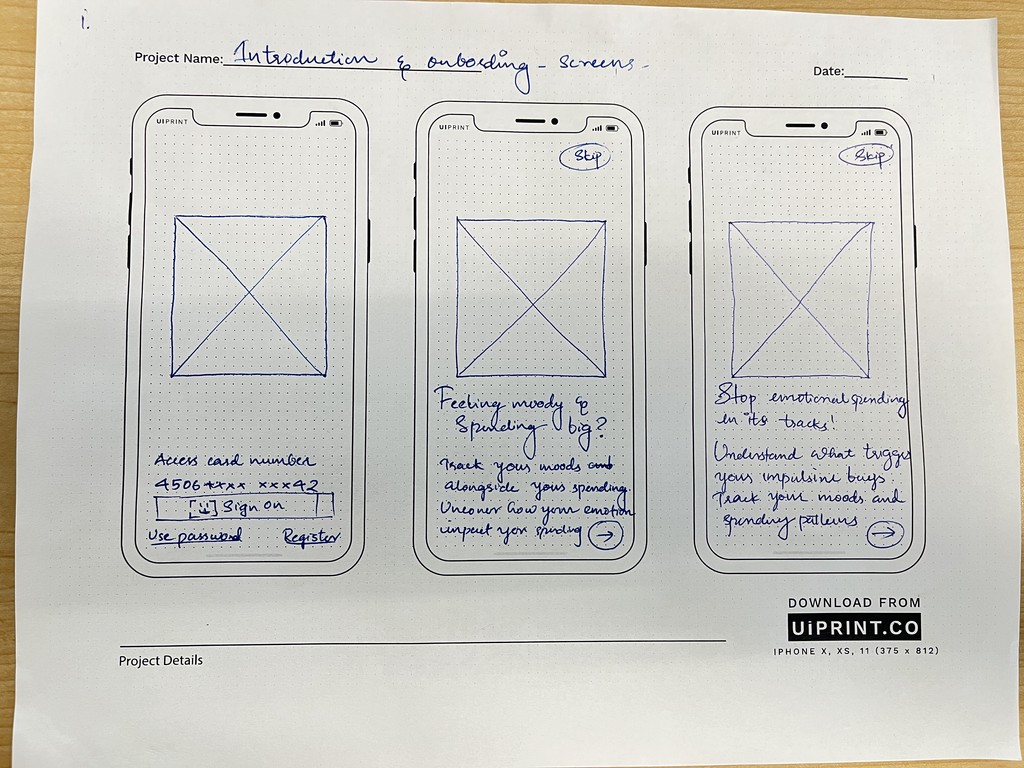
Sketching Screens
Using the data from our brainstorming session, we sketched out each screen, focusing on the features and the welcome screens users would see when they first log in.
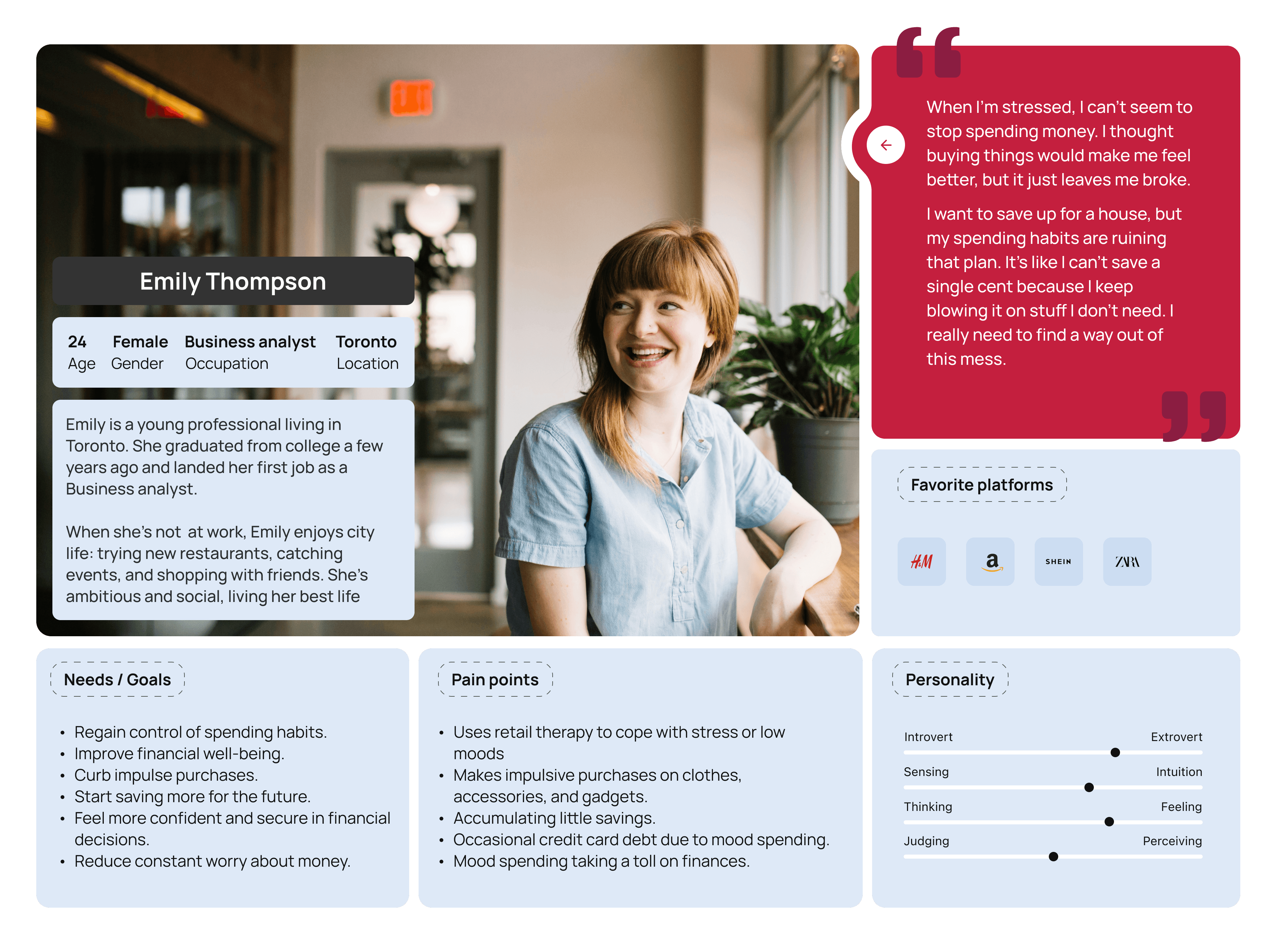
Say Hello to Emily 👋🏼
After brainstorming, we created an ideal persona for our target audience which would highlight the goals, needs and personality of our target audience.
Prototyping
We’ve brought our ideas to life through these wireframes. Crafted for testing and refinement, these blueprints are the foundation of our evolving design journey.
The Last Piece Falls into Place 🧩
After countless iterations, we’ve perfected the user flow. And here it is.
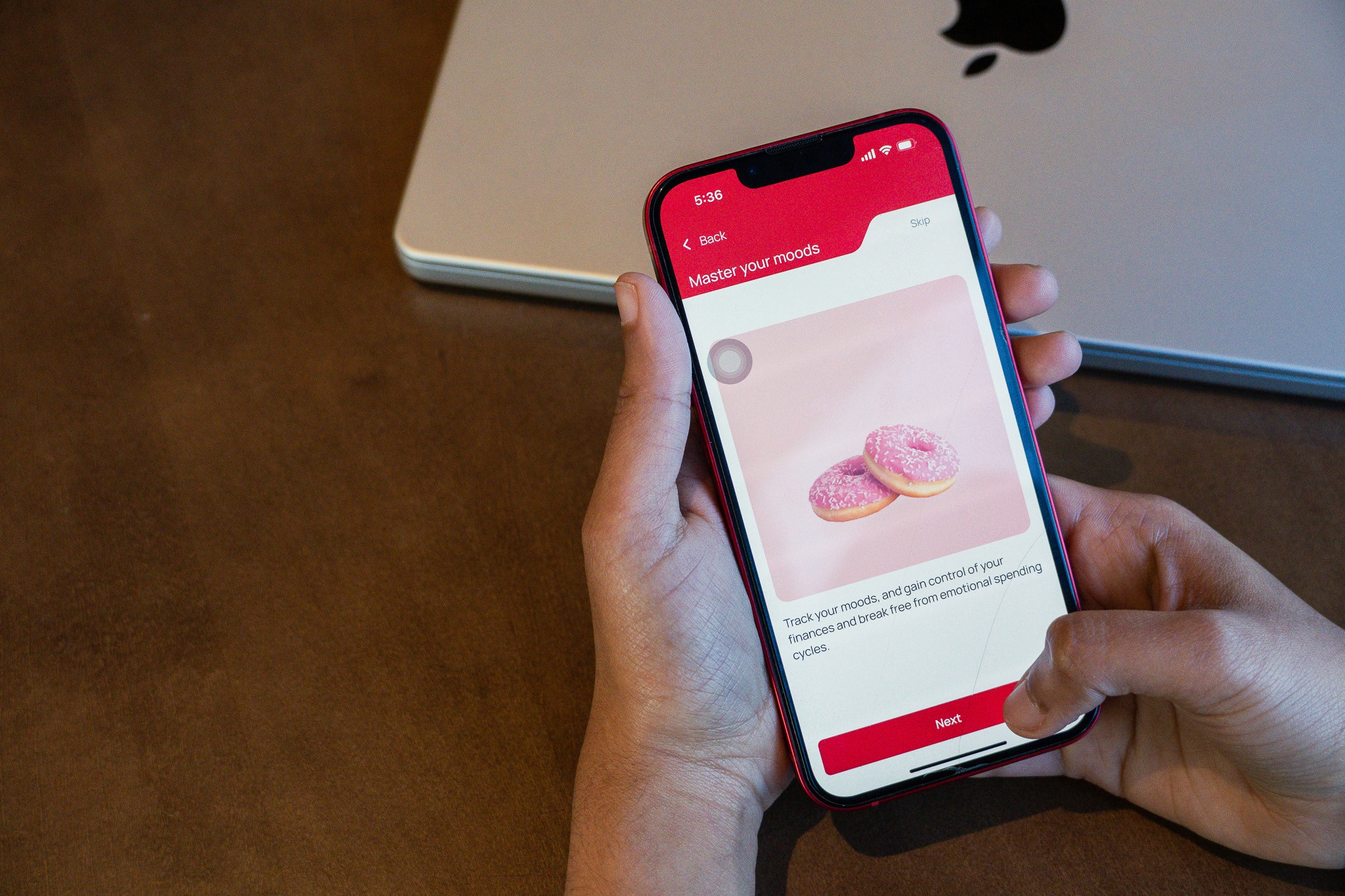
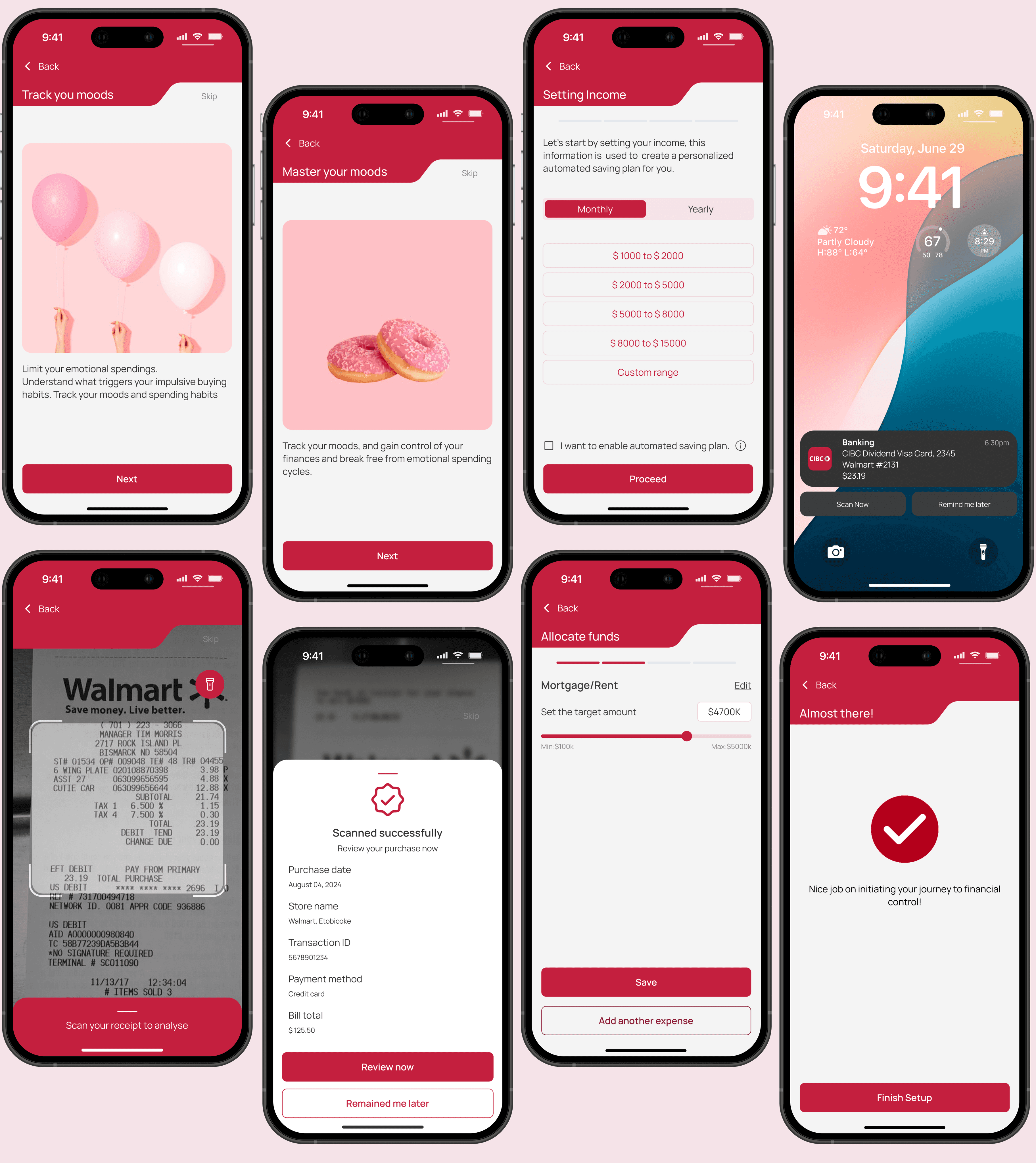
Start your journey with Mood Spending
We’ll guide you through how your emotions can influence your spending habits.
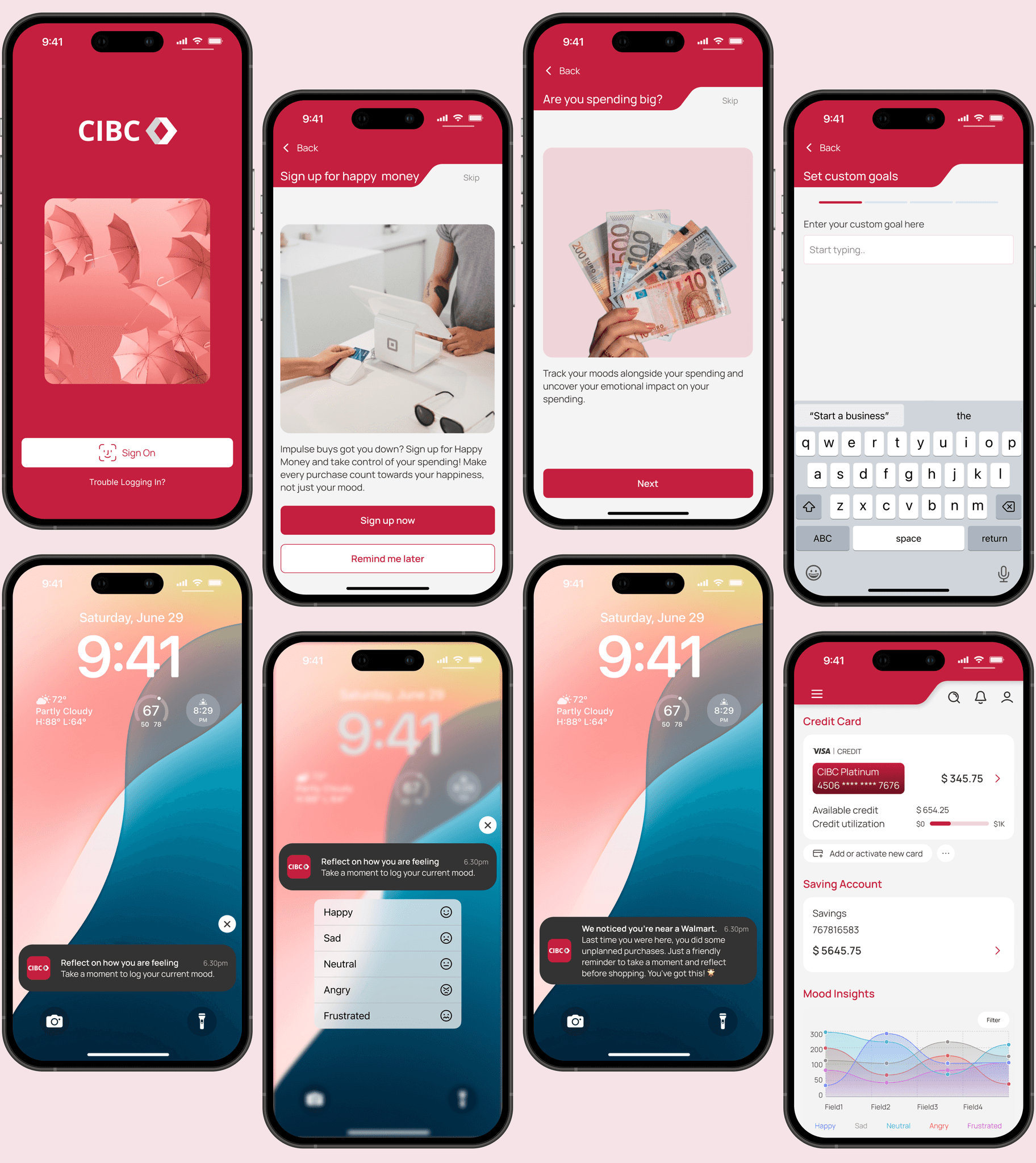
Log Your Feelings with a Simple Tap
You’ll receive a friendly notification asking about your mood. Simply tap an emoji to log how you’re feeling—quick, easy, and insightful!
Classify Spending in Just a Few Taps
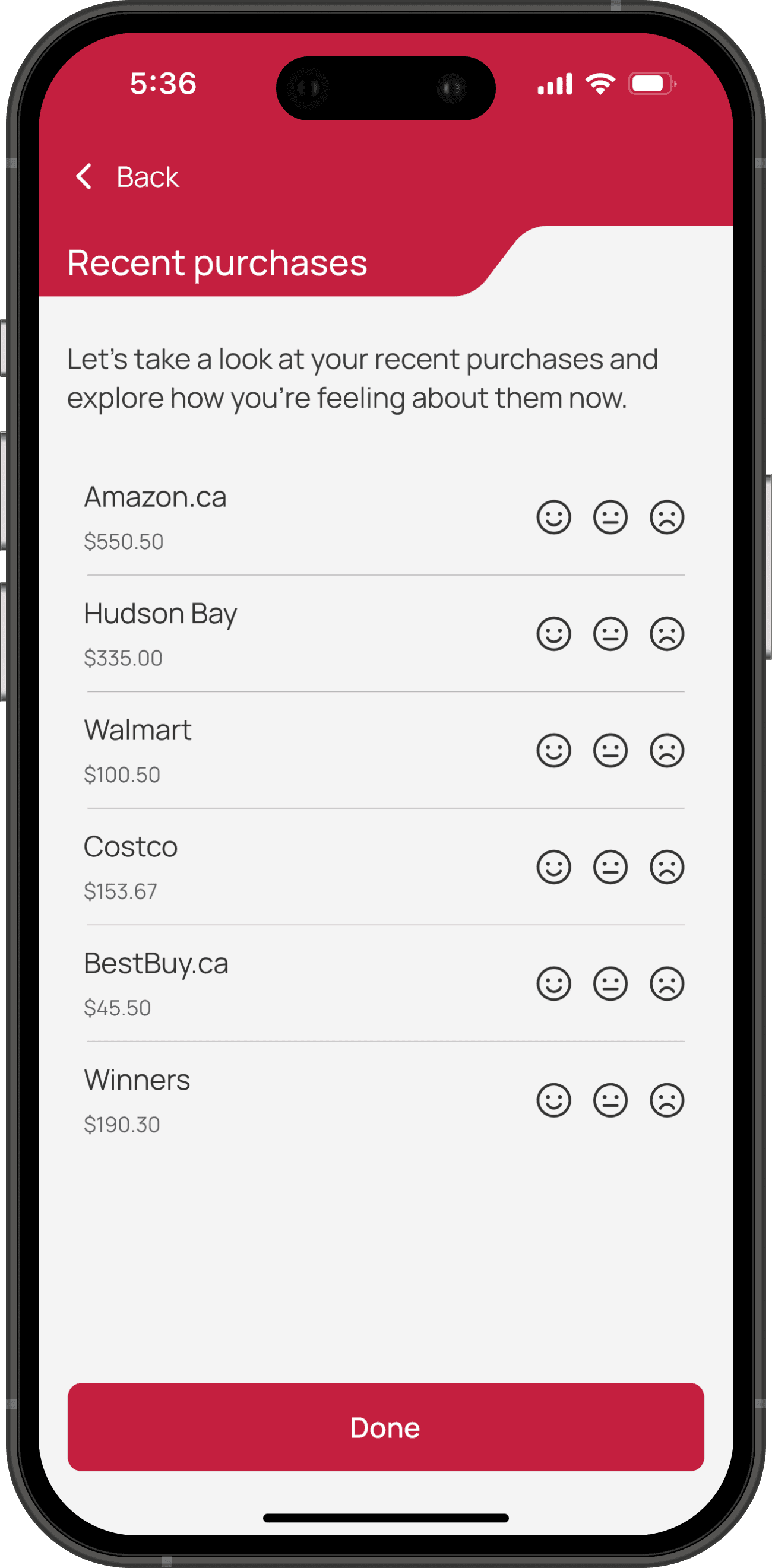
After shopping, the app will remind you to check what you bought. Was it planned or an impulse buy? Easily classify your spending with just a few taps.
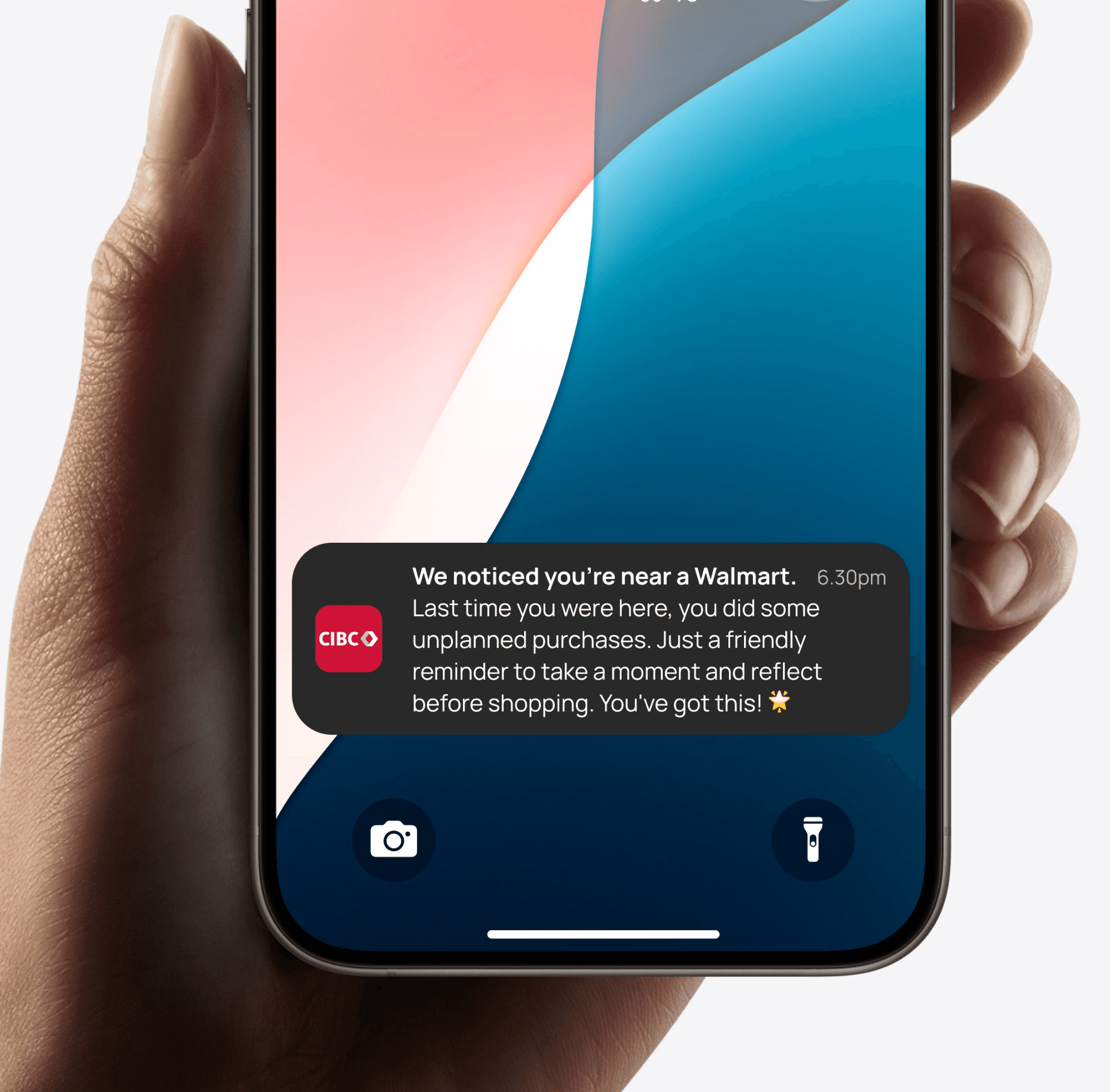
Stay Mindful of Emotional Spending
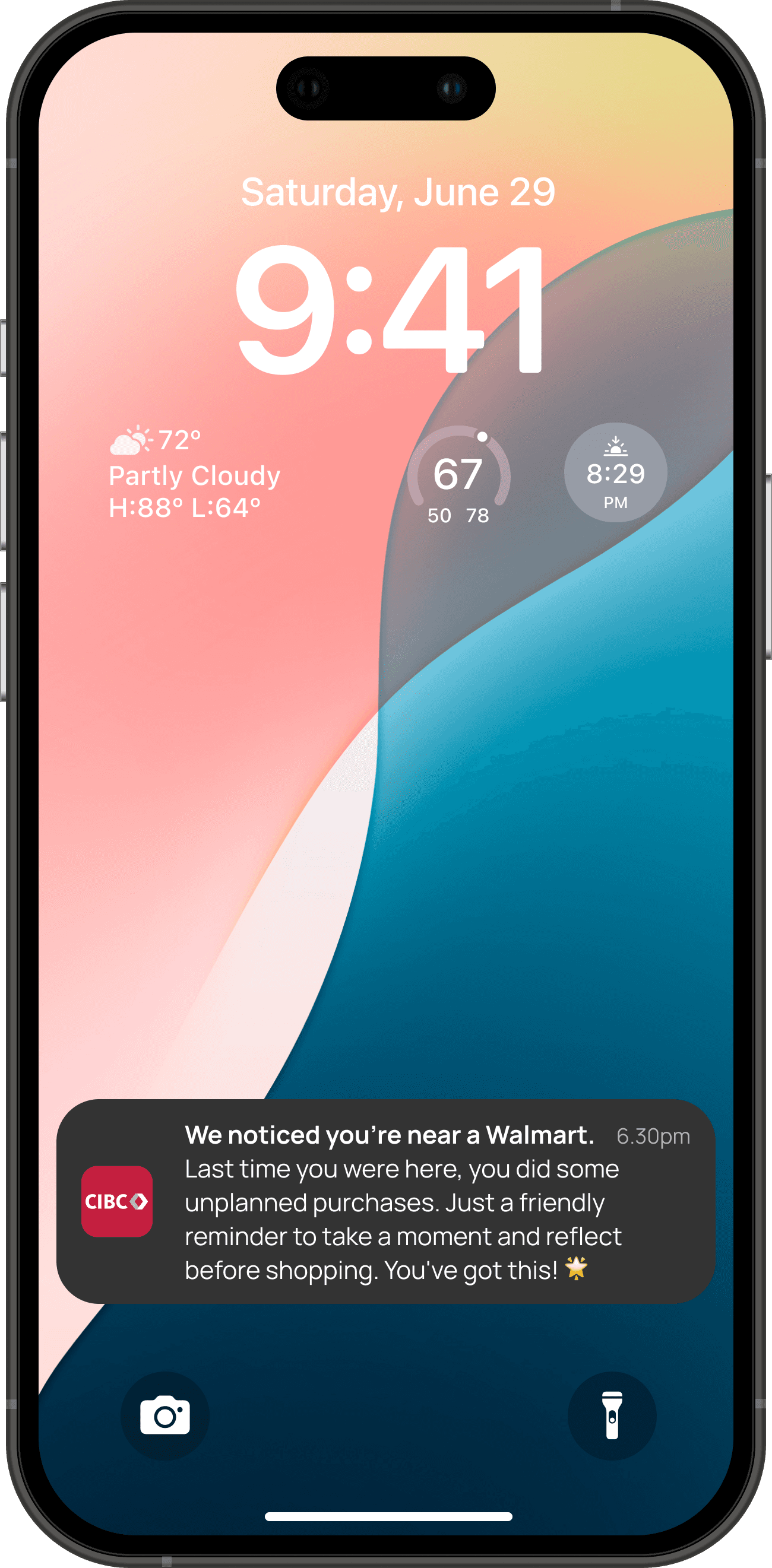
If you’re near Walmart or Costco and feeling low, we’ll send you a reminder to watch out for emotional spending.
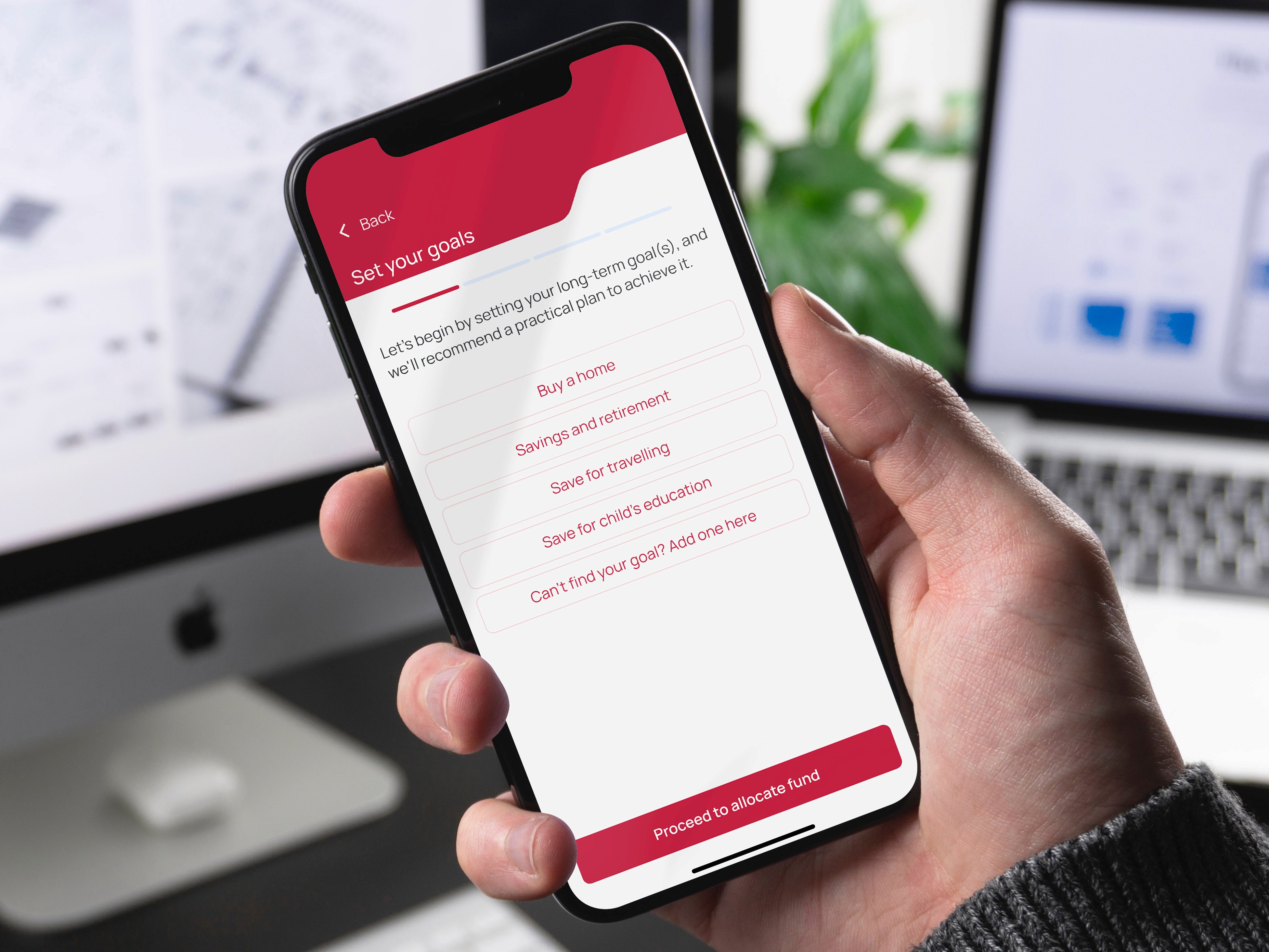
Monthly Spending Analysis
Get a personalized report on how your moods affected your spending and receive tips for smarter saving.
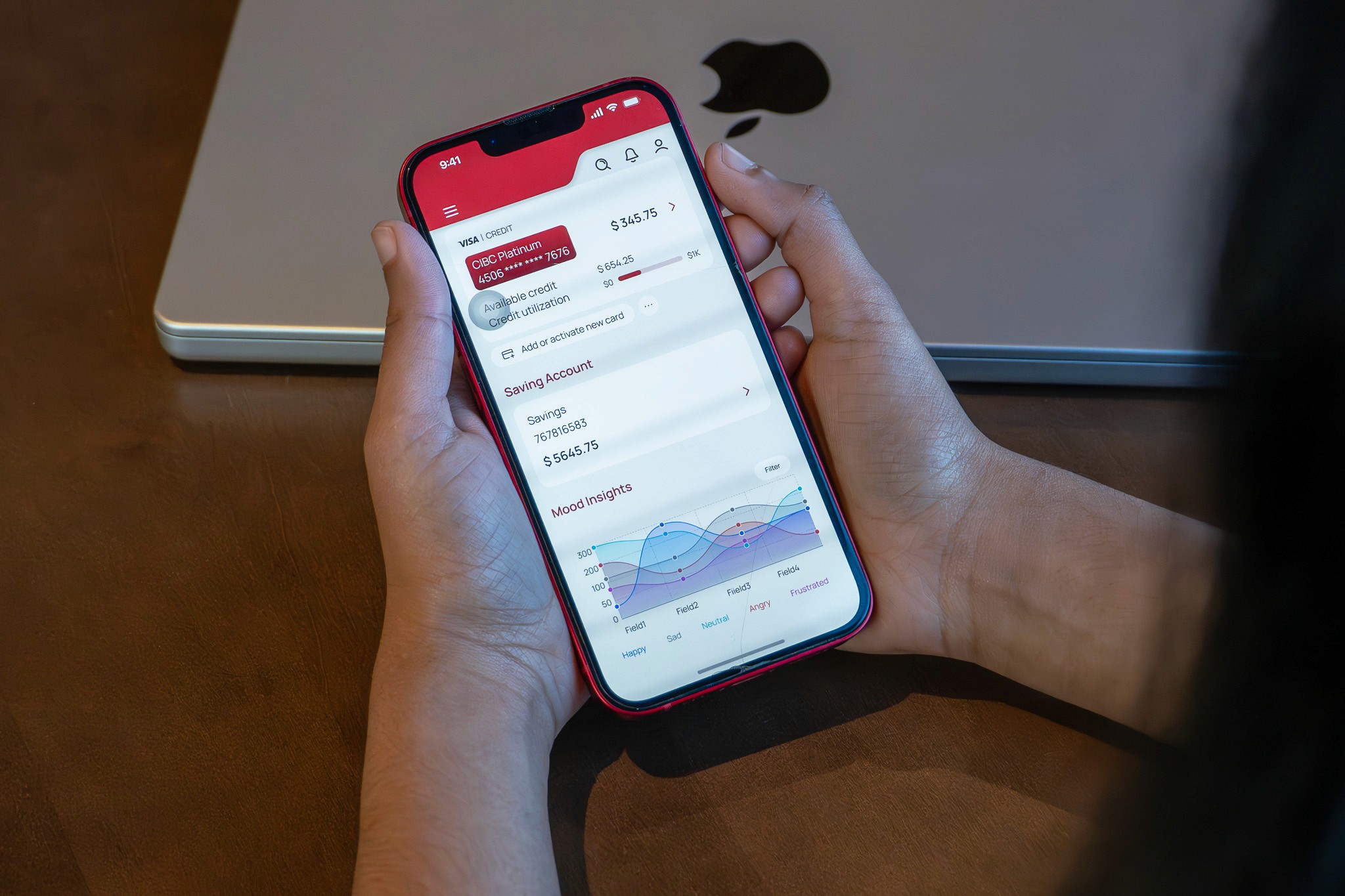
Track Your Progress
Use our interactive dashboard to see how your emotions impact your spending and take control of your financial health.
Wrapping it up… Here's the final UI
Where did we go wrong .
Through out the process we had to face two major road blocks, and which lead to two major iterations in the design.